Art Malacarne Knows Airports
Q: You’ve spent much of your career working at Washington Dulles International Airport. What does that long-term involvement reveal about aviation construction in the Mid‑Atlantic?
Art: Airports in the Mid‑Atlantic, particularly Dulles, aren’t just growing—they’re evolving into regional transportation and economic hubs. Over the last two decades, I’ve seen Dulles move through multiple phases of expansion, renovation and operational reinvention, all while remaining fully active.
That environment forces a different mindset for construction partners. You can’t approach aviation work in this region as isolated projects. Every improvement, whether it’s a baggage system, a concourse addition or enabling infrastructure, must align with long‑range capacity, airline operations and passenger experience. 
Q: What makes delivering projects at active airports like Dulles uniquely challenging?
Art: The complexity isn’t theoretical, it’s operational. You’re building inside facilities that were never designed to be under constant renovation, often with decades of undocumented changes and unknown conditions. At the same time, planes are arriving, passengers are moving, baggage is flowing and safety and security requirements are mission critical.
Success depends on understanding how the airport functions day to day: how ramp operations work, when blackout periods occur, how gate usage affects airline schedules and how multiple stakeholders interact in the same space. That knowledge shapes everything from sequencing to safety planning.
Q: How does Balfour Beatty’s institutional knowledge drive positive outcomes on aviation projects?
Art: Institutional knowledge shortens response time and reduces risk. At Dulles, knowing the history of the facility—where things were built, modified or worked around—has enabled our teams to anticipate conflicts before they become schedule or safety issues.
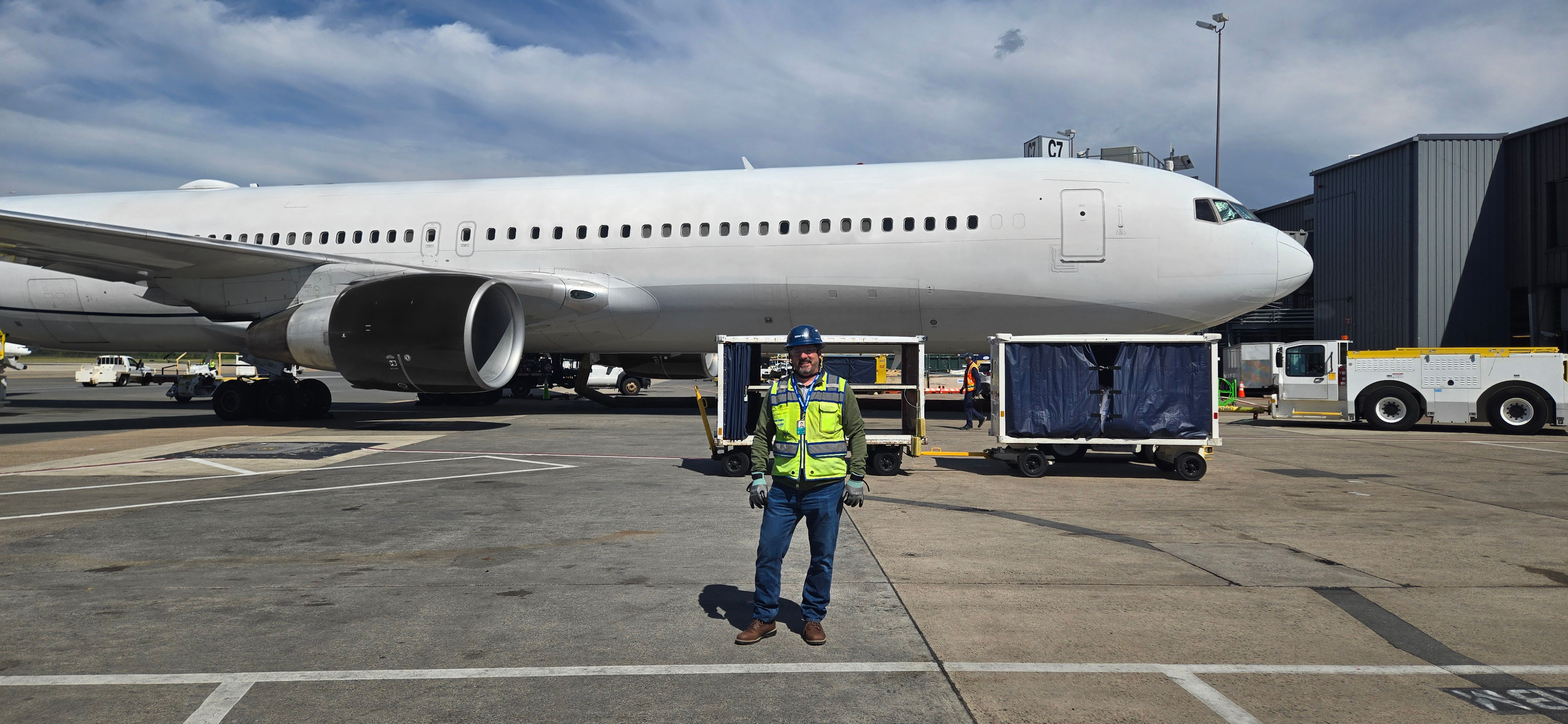
The relationships we’ve cultivated are equally important. Many of the people working at the Metropolitan Washington Airports Authority (MWAA), United Airlines and in inspection roles today were there decades ago. That continuity builds trust, which matters when you’re navigating live terminals and making decisions that affect operations in real time.
Q: You’ve emphasized sequencing and planning. Why is that so critical in airport construction?
Art: Airports don’t stop operating to accommodate construction. There are blackout periods, peak travel seasons and airline commitments that limit when and how work can occur. If sequencing is rigid, projects can stall.
What we’ve learned is to continually reassess sequencing to pull work forward, re-sequence activities or complete scopes earlier than planned so the overall project becomes smaller and more manageable. That keeps crews productive, minimizes disruption to airport operations and is critical to achieving Zero Harm. 
Q: What trends are you seeing from airport authorities and owners in the Mid‑Atlantic?
Art: There is a clear shift toward partnership‑driven delivery models, with owners such as MWAA moving away from purely hard‑bid approaches in favor of best‑value and CM‑at‑risk delivery to better manage complexity and mitigate risk. Balfour Beatty’s extensive experience delivering projects under these collaborative models allows us to engage earlier, align scope with real-world constraints and provide the constructability insight aviation owners rely on to make informed decisions.
Q: How is Dulles positioned for the future?
Art: Dulles is focused on capacity, connectivity and long-term growth. That includes new concourses, expanded cargo operations and infrastructure that supports increased passenger volumes. There’s also a broader vision of leveraging land and transportation assets to strengthen the airport’s role as an economic engine for the region.
Every project contributes to that trajectory. Even work that seems discrete such as a baggage handling system plays a role in enabling long-term growth, improving operations and supporting airline commitments.
Q: What ultimately differentiates Balfour Beatty the aviation partner-of-choice?
Art: It comes down to our Relentless Ally big picture mindset. Aviation owners need partners who prioritize the success of the entire project and operation, not just their individual scope. That means strong communication with all stakeholders, flexibility when conditions change and a willingness to solve problems collaboratively.
Our teams combine deep facility knowledge with a culture that values accountability, partnership and adaptability, positioning to help airports meet today’s demands while preparing for what’s next.