Honoring History, Building the Future
Constructing a community anchor is no easy feat. At our Belmont Library project, part of our the three-project Multnomah County Library Chapter Expansion and Renovation initiative, the charge was clear: create a bigger, better library that honors its historic roots while supporting the ever-changing needs of the community, all while being careful stewards of public funds.
The project includes:
- Renovation of 3,000 square feet within the original 1924 brick building
- Demolition of a 6,000-square-foot 1990s addition
- A new, 12,000-square-foot, two-story mass timber addition
- Site improvements including new landscaping, upgraded lighting, enhanced accessibility, and new pedestrian curb ramps
This transformational expansion will allow the library to expand programming and grow with the active, diverse community.
The project team worked closely with Multnomah County from preconstruction throughout the lifecycle of the project, ensuring continual alignment on goals. The Belmont Library project blends historic preservation, sustainable mass timber design and future-ready flexibility that maximizes public investment while enhancing safety, accessibility and long-term operational value for Multnomah County.
Stewardship at the Forefront
 As the County’s first library bond in many years, ensuring longevity of the building was essential. The solution was twofold: firstly, the County allowed community input to shape the designs for the renovation. Through community meetings, focus groups, public surveys and more, they gathered thousands of responses that ensured the renovations would fit the needs and wants of the people they serve.
Secondly, our team ensured that the building was constructed with long-term flexibility for future growth.
“We are building this library not only for the current community, but also for the future of this community,” says Megan Cook-Eichelberger, senior project manager. “The County’s goal was to make sure this library can last for many years to come, so everything we did was with that goal in mind.”
The team kept a continuous eye on the budget throughout construction, running regular audits and constantly checking and rechecking pricing to ensure they obtained thorough, complete and fair bids from all partners.
“We don’t let things slide by that aren’t fair or aren’t right, especially when managing bond funding,” says Megan. “We drive success on our projects by holding our partners and ourselves accountable, ultimately working together to deliver high-quality results.”
A Collaborative Start
With multiple stakeholders and interconnected bond program priorities, our team chose to kick off the three projects with a SmartStart® session. 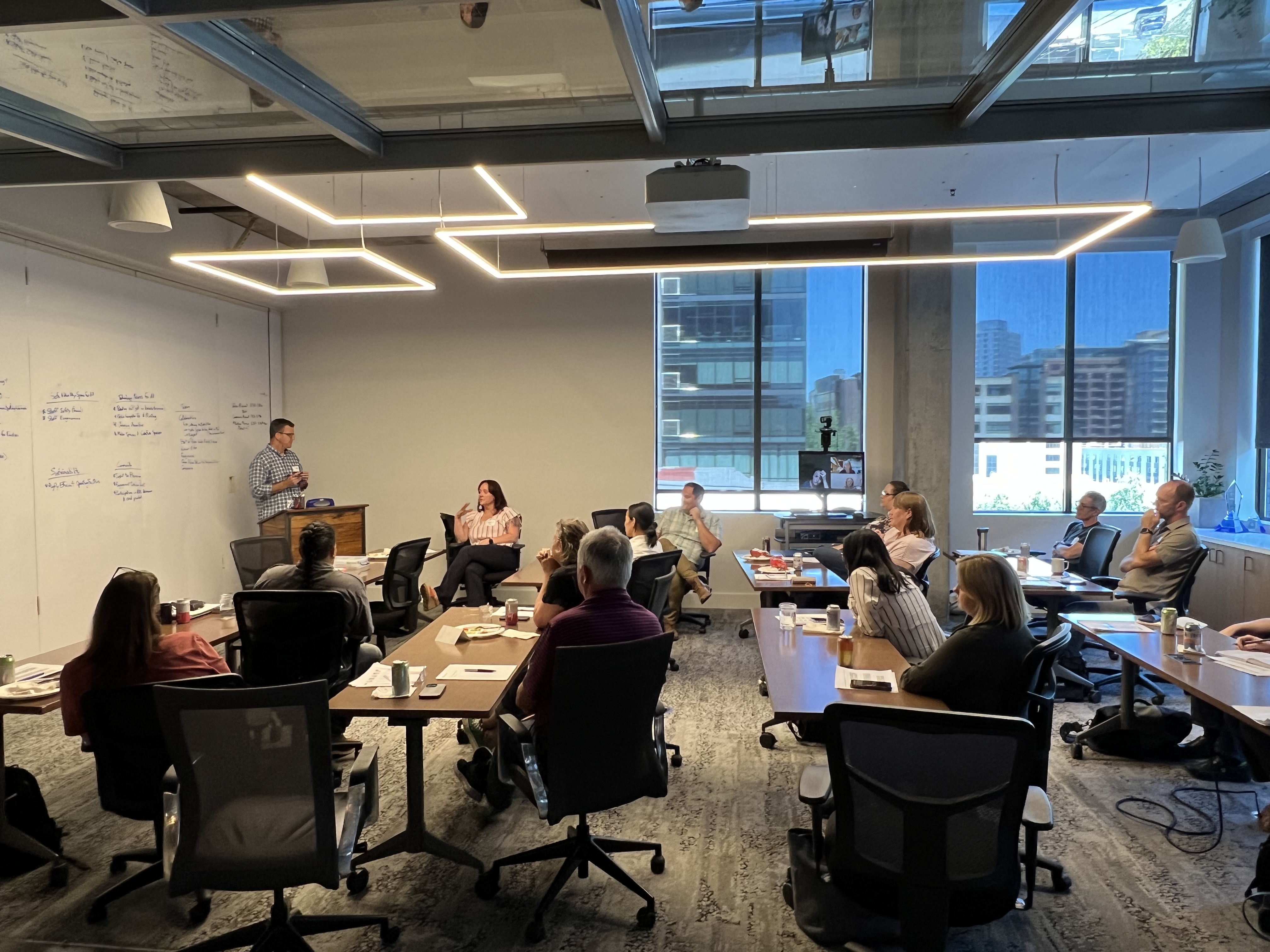
This session brought together members of the project teams, clients and designers to establish clear lines of communication, assign responsibilities and build a shared understanding of priorities and constraints.
“Early engagement gave everyone a sense of confidence in our team,” says Megan. “We aligned our goals early, which kept us on the same page throughout the project.”
The SmartStart® session also brought all stakeholders together, allowing participants to put faces to the names in their inboxes. Together, the group established reporting lines and gave clarity to the points of contact from each organization.
“With so many different groups involved, this project could have easily become a maze of stakeholders,” continues Megan. “With SmartStart®, we collaborated to create a roadmap for that maze.”
Right Decisions at the Right Time
More than a year before breaking ground on the project, our team was engaged in the preconstruction process. The project team was brought in at the end of the schematic design phase, allowing them to give input on things like finishes, structural systems and mechanical systems.
The Construction Manager/General Contractor (CM/GC) delivery method allowed the project team to engage trade partners from the beginning, performing pricing exercises and systems analyses early, ensuring the most effective use of bond funds.
“We were able to consider things like manufacturing delays that may cause scheduling challenges down the road,” says Megan. “Getting information early allowed us to enter the construction phase with a complete and thorough design. We had all the information we needed to mitigate costly changes or delays.”
This early partnership helped Multnomah County make informed, cost-effective decisions that aligned long-term performance, community expectations and budget realities.
Warmth, Sustainability and PNW Identity
Mass timber played a starring role in shaping the project’s aesthetic and experience. The County was highly interested in using the material from the start, understanding that the material had a higher price point than an alternative like steel.
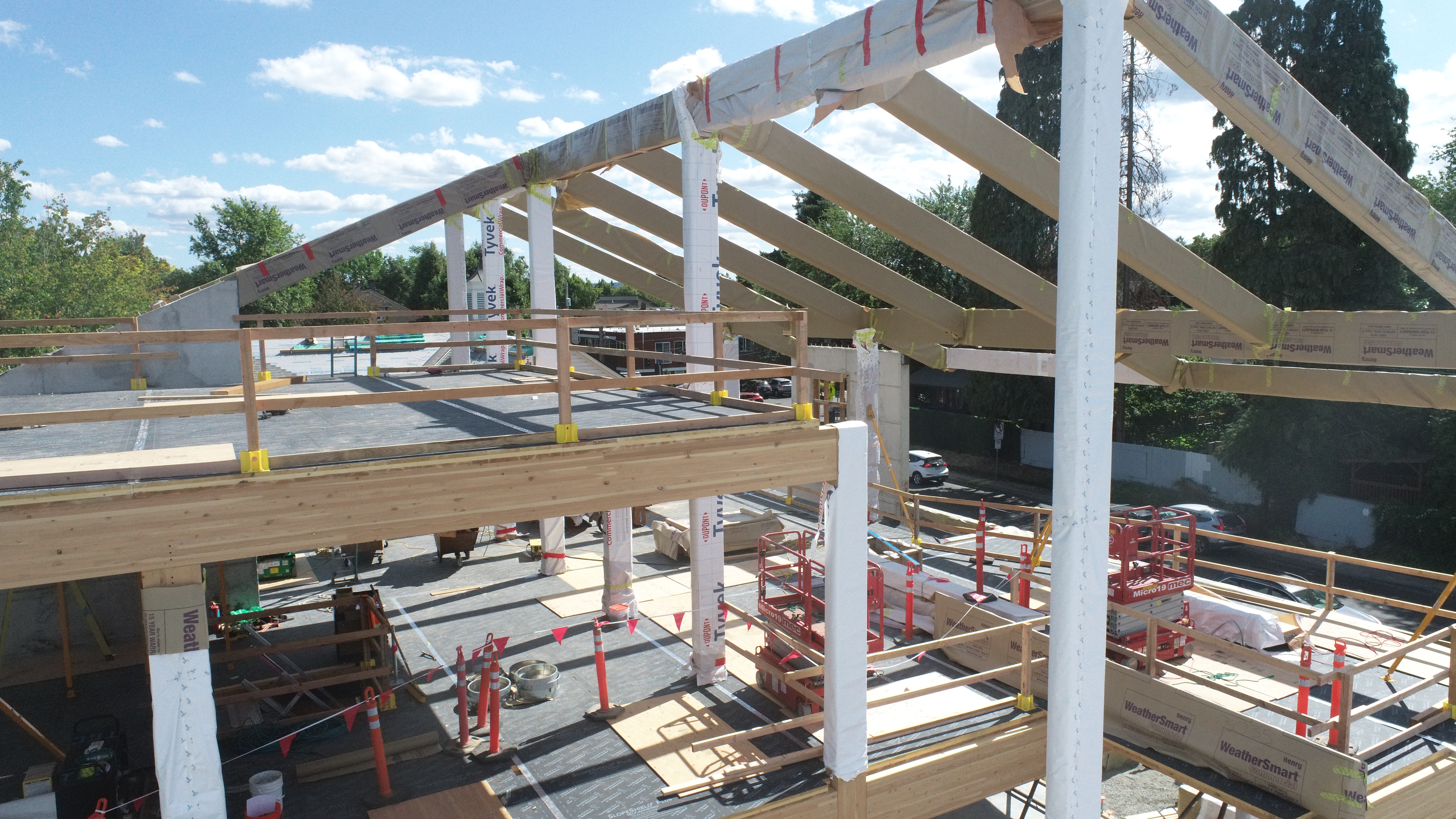 Early engagement of our team and trade partners allowed us to perform estimating exercises to ensure that it was the right choice for the project. With comparable labor and erection costs to steel, the team made the additional material costs work within the budget.
The result is a warm, inviting aesthetic uniquely suited to the neighborhood and the overall Pacific Northwest. The material also added an element of sustainability to the project, with mass timber being a way to reuse timber waste from the industry.
Despite the numerous benefits, mass timber was not without its challenges – namely, the exposed timber lacking the acoustic properties of a material like drywall. To resolve this issue, the team integrated acoustic panels and custom felt art pieces, balancing beauty with functional performance.
Managing the Fifth Fatal Risk
Situated at a busy, four-lane intersection, the project required proactive planning around the fifth fatal risk: live traffic. Careful coordination was paramount to keeping the public safe during construction, and the team considered this from day one.
“We were thinking about how we could keep the community safe every step of the way,” says Megan. “We knew that planning ahead and communicating with the neighbors was going to be key to keep everything moving smoothly.” 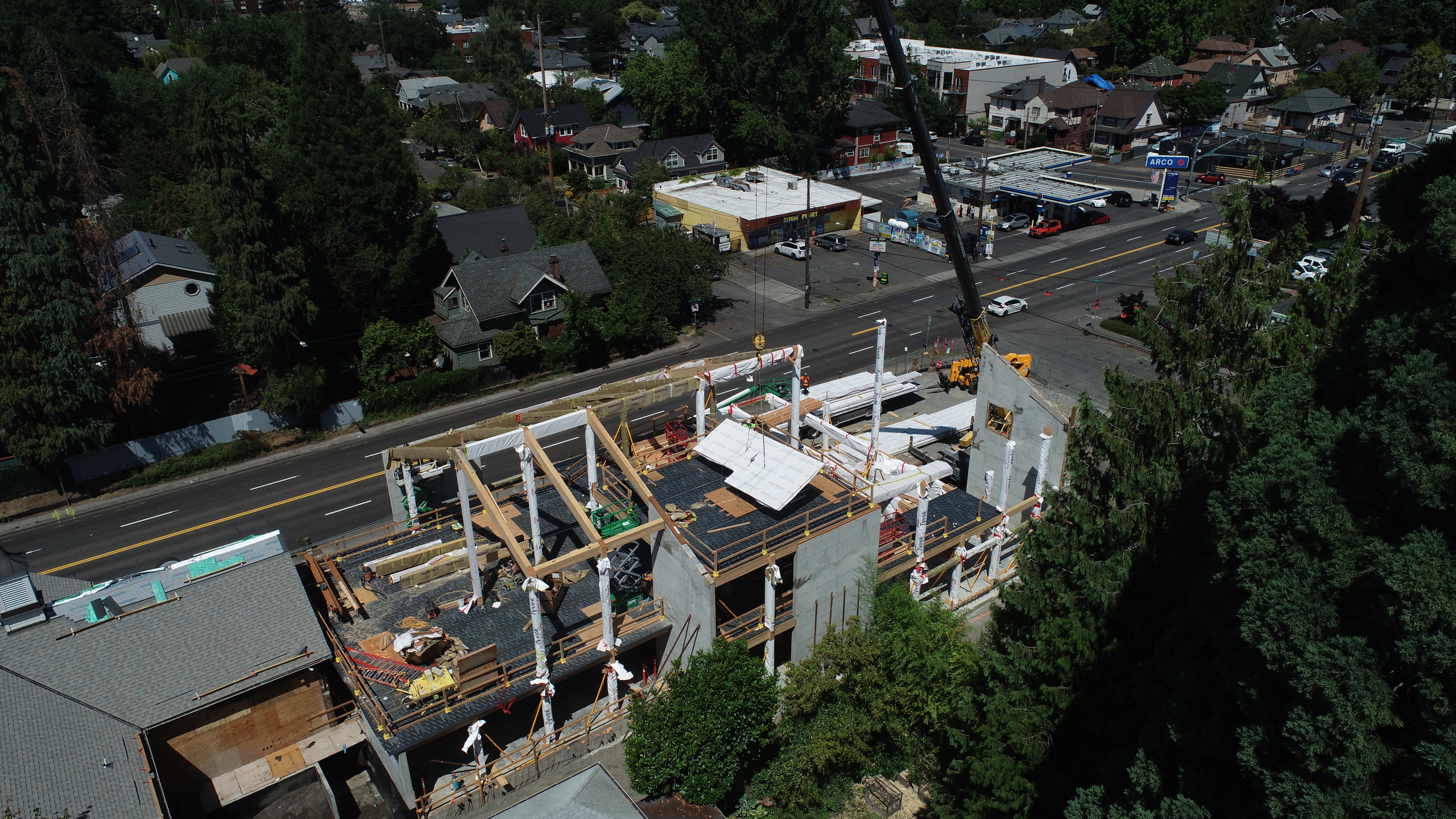
The team developed phased logistic plans, carefully scheduling everything from excavation to material transportation to bringing in cranes. They focused on continuous neighborhood outreach, informing the public of upcoming sidewalk and road closures through flyers, emails and phone calls as well as site signage.
They also worked with the City of Portland to establish a thorough traffic control plan when it was necessary to close the right-of-way on the street. By planning early and communicating often, the team successfully avoided incidents.
Light Touches, Long-Term Impact
Though much of the work done on the library was to the 1990s addition, the original 1924 structure also needed to be maintained. The team worked with a historic preservation consultant who evaluated the building and determined what needed to be addressed.
While the team performed significant upgrades on the interior and structure of the historic building, they managed exterior upgrades with a light touch, performing minor repairs for the sake of longevity. This targeted restoration included brick and metal flashing repairs, preservation of historic architectural features and protection measures to avoid damage during new construction.
“The library had taken great care of the building over the years,” says Megan. “Our goal was simple: making sure that the historic part of the building would last just as long as the new addition.”
The juxtaposition of the restored brick building with the new mass timber addition creates a compelling visual narrative that honors Belmont’s past while embracing its future.
A New Chapter for Belmont Library
As construction moves into final phases, the project team is delivering on their promise of a larger, more flexible library that meets the needs of the community. The library is poised to reopen as a true community anchor built to last with the flexibility needed to serve the neighborhood for years to come.